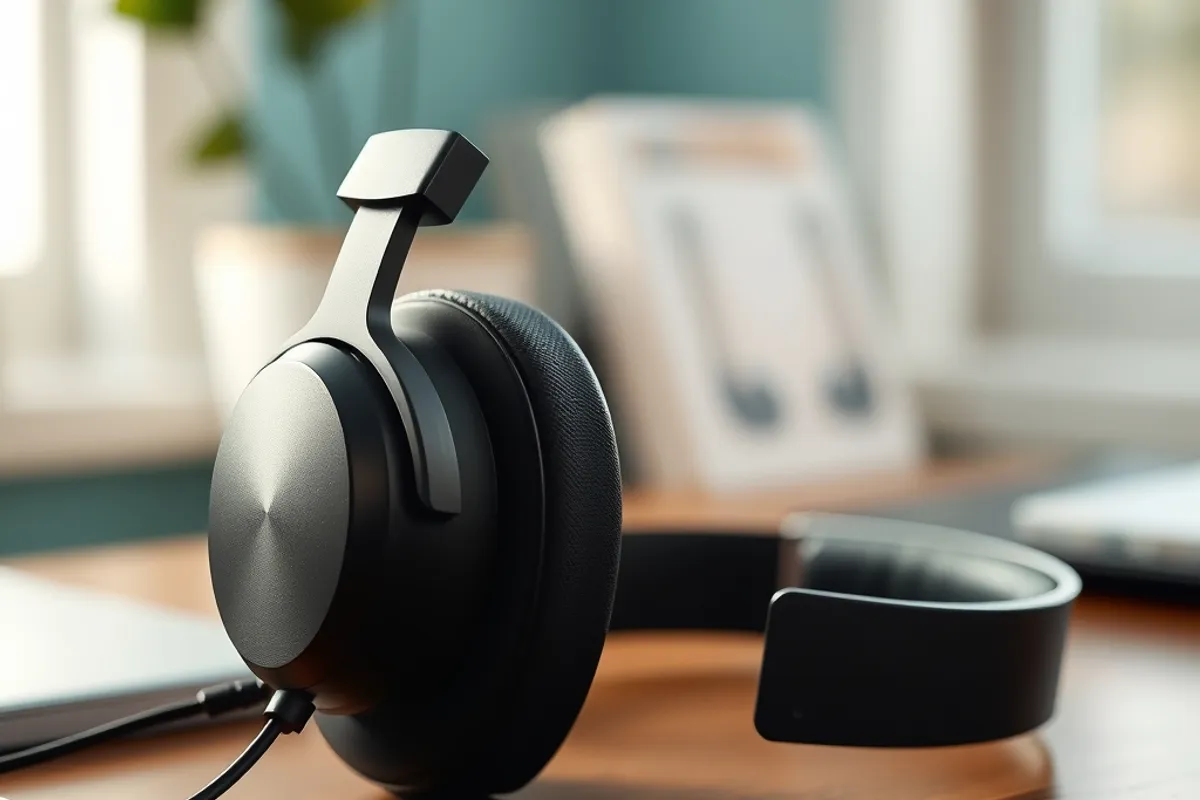
What to look for in 2026
Noise cancelling in 2026 is less about raw silence and more about control. The best models let you dial cancellation up on a plane and down on a walk, so you can still hear traffic. Look at how each brand handles wind, because a headset that hisses outdoors is useless if you commute. Battery life with cancellation on matters more than the number printed on the box, which is usually measured with the feature switched off.
Comfort decides everything after the first week. Clamp force, pad depth and weight spread across the head all matter more than a spec sheet suggests. We wore each model for four hours at a stretch and noted where pressure built up. If you want a wider buying framework, our gadget buying guides explain how we weigh price against daily use, while our about us page lists the test gear we keep on hand.
Our top pick: the Aurex Q7
The Aurex Q7 is the headphone we reached for first all year. It cut engine drone on a six hour flight down to a soft hum, and voices in the next row disappeared. Independent lab data puts its low frequency reduction near 32 decibels, which is among the strongest results we saw in this price band.
It is not perfect. The Q7 is heavier than rivals at 291 grams, and the app asks for an account before you can adjust the EQ. Still, the tuning is neutral enough for podcasts and detailed enough for jazz, and the controls respond without the lag that plagues cheaper touch panels. For most buyers it is the safest pick.
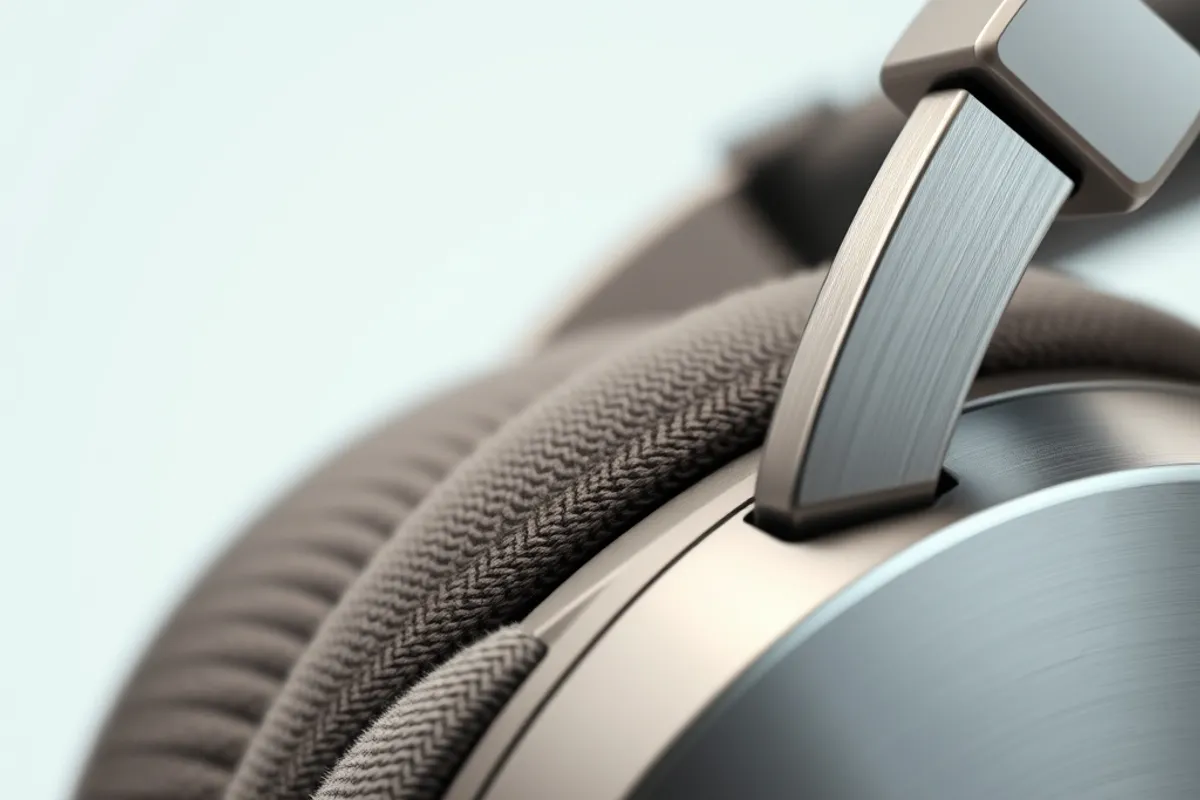
Best for travel: the Northwind Aeon
The Northwind Aeon folds flat into a hard case the size of a paperback, and that is the point. On a nine hour overnight flight it held a stable seal around the ears, and the soft pads never pressed on my glasses. Its cancellation leans slightly toward low rumble, which is exactly what a cabin produces. Wind noise stayed controlled when I walked through the terminal.
The trade off is brightness. The Aeon adds a little energy to cymbals and sibilant voices, which some listeners will love and others will find tiring. Battery ran 41 hours with cancellation on during our test, well above the 30 hours Northwind advertises for mixed use. If you fly often, this is a strong second pick behind the Q7.
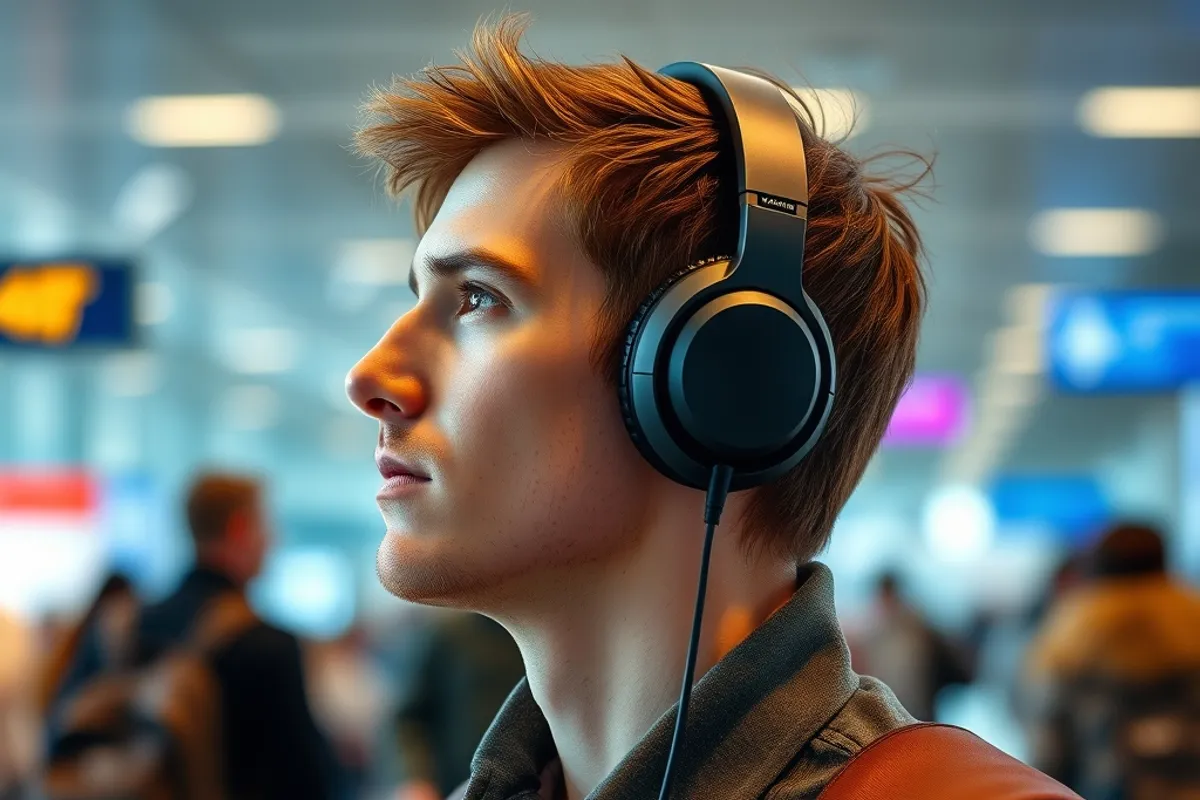
A great pair of noise cancelling headphones does not remove the world, it removes the reasons you keep taking them off before the flight lands.
Best value: the Vega Solaris
The Vega Solaris costs about half of what the leaders charge and gets you most of the way there. It knocked out the steady hum of a train carriage and cut office chatter enough to work. High frequency reduction is weaker, so a crying baby three rows back still came through. For a budget set that is a fair compromise.
Vega ships a genuinely useful feature set: multipoint pairing, a wired fallback and USB-C charging that reaches full in about 90 minutes. The plastic build creaks if you twist it, and the case is soft rather than rigid. Buy it if noise cancelling is one feature among several, not the whole reason.
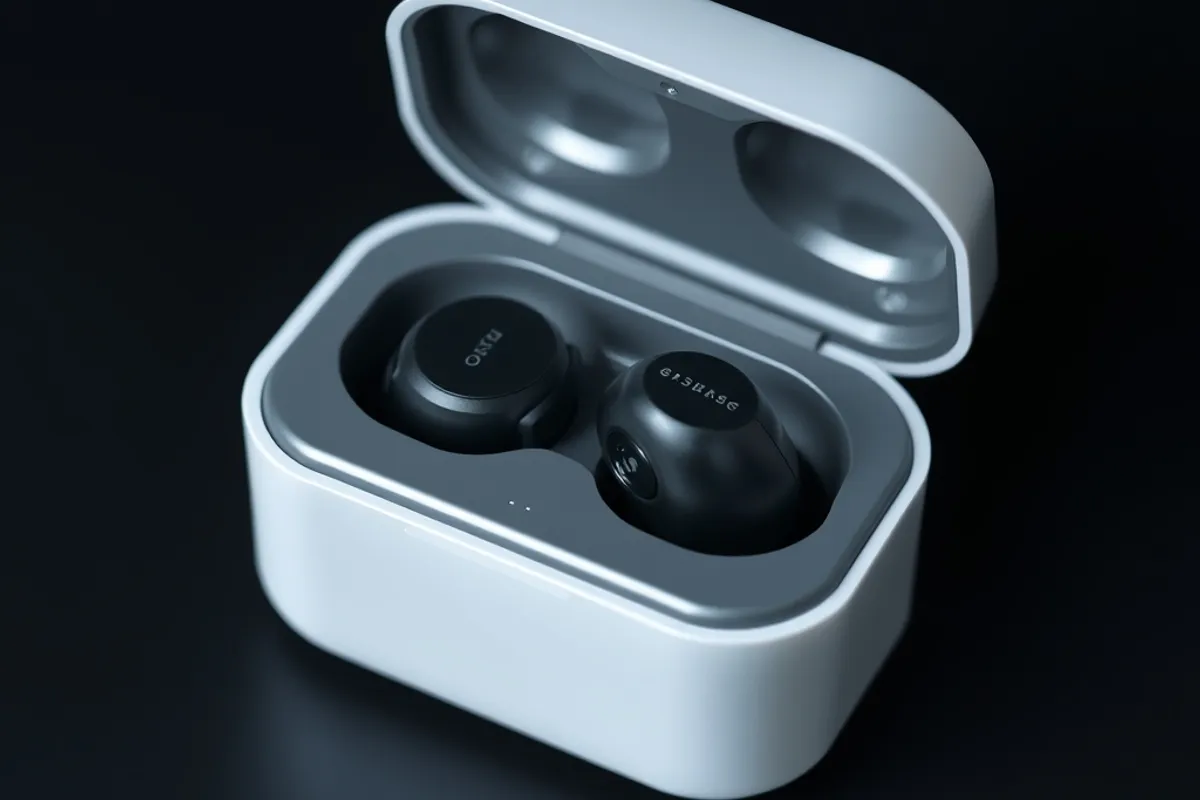
Best for calls: the Lumen Echo
The Lumen Echo is built around the microphone array, and it shows. In a test call from a cafe, the person on the other end heard my voice clearly while the espresso machine faded into the background. Beamforming tracks your mouth as you turn, and the wind guard handled a breezy walk without the chopping that ruins most headsets.
Sound quality is good rather than thrilling, with a warm tilt that flatters speech. Cancellation sits a step behind the top models on the deepest tones, but it is strong enough for an open plan office. The Echo also includes a mute that works from the earcup, which is the kind of small touch that matters on a long call.

Battery and comfort: the Kestrel Aria
The Kestrel Aria targets people who forget to charge. We measured 58 hours with cancellation on, and a five minute top up added roughly four hours of listening. The headband spreads weight well, so the Aria stayed comfortable past the four hour mark where several rivals started to dig in.
Cancellation is the weakest here, roughly on par with the Vega Solaris at low frequencies. The Aria makes up for it with an excellent transparency mode that sounds close to wearing nothing at all. Use it if you want long battery and light weight more than the deepest silence, and pair it with our technology coverage for updates.

How we tested
We tested six pairs over eight weeks. Each model logged time on a long haul flight, a commuter train, a busy office and a quiet room. We measured battery life with cancellation on rather than trusting the box, and we used a calibrated microphone to compare low frequency attenuation across the group.
Volume safety matters as much as silence. The World Health Organization publishes safe listening guidance that we followed when judging maximum output. Every headphone here can be turned too loud, so set a limit in the app or your phone and keep it there.