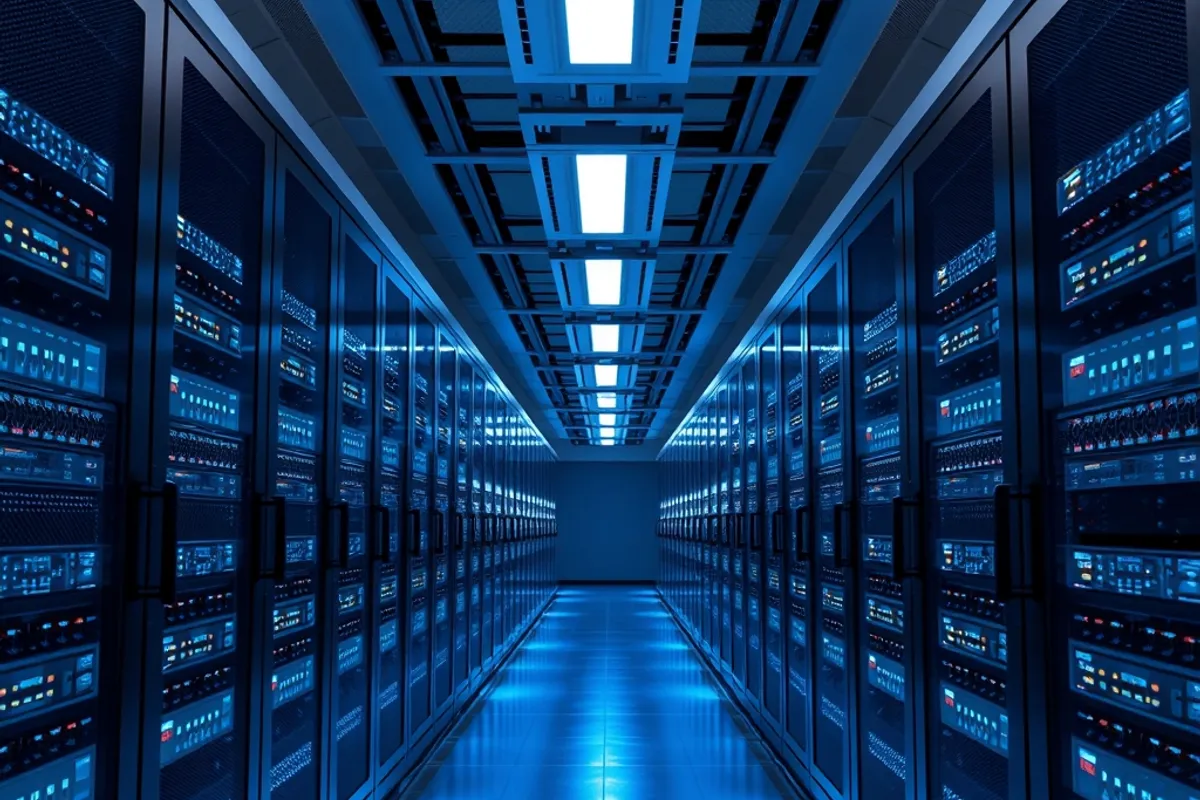
Why quantum is moving into data centers
For years quantum hardware lived in university basements, behind a single researcher with a key. In 2026 the picture is different. Several vendors now ship racks that a normal facilities team can install next to classical servers, and cloud providers rent the machines by the minute. The work has shifted from physics to plumbing, and that shift decides which projects survive.
- Cloud access replaced the private lab as the default way to try quantum hardware.
- Facilities teams, not physicists, now write the installation checklist.
- Cost is measured in uptime and cooling load, not just qubit count.
None of this makes quantum computers general purpose. It makes them available, which is a smaller and more useful claim.
The cooling problem nobody sees
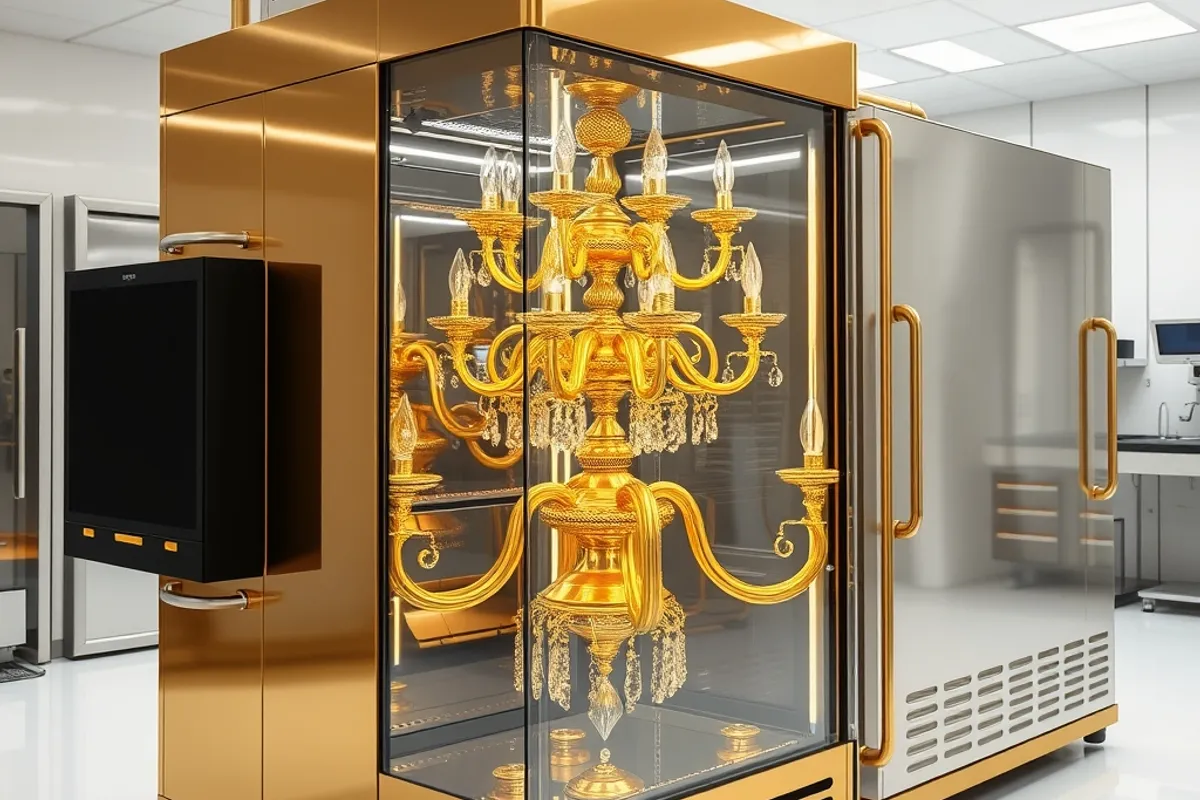
A superconducting quantum chip only works near absolute zero, roughly 15 millikelvin, which is colder than deep space. That means every machine arrives wrapped in a dilution refrigerator the size of a small wardrobe. In a data center the fridge becomes the anchor around which power, floor loading and maintenance access are planned.
Cooling is not just a one time install. The fridge runs continuously, and a single warm up can cost days of recalibration. Facility teams now treat a quantum rack like any other heat load, but one that objects to vibration and to being switched off. That reality shapes where the hardware can live.
Control wiring and the dilution fridge
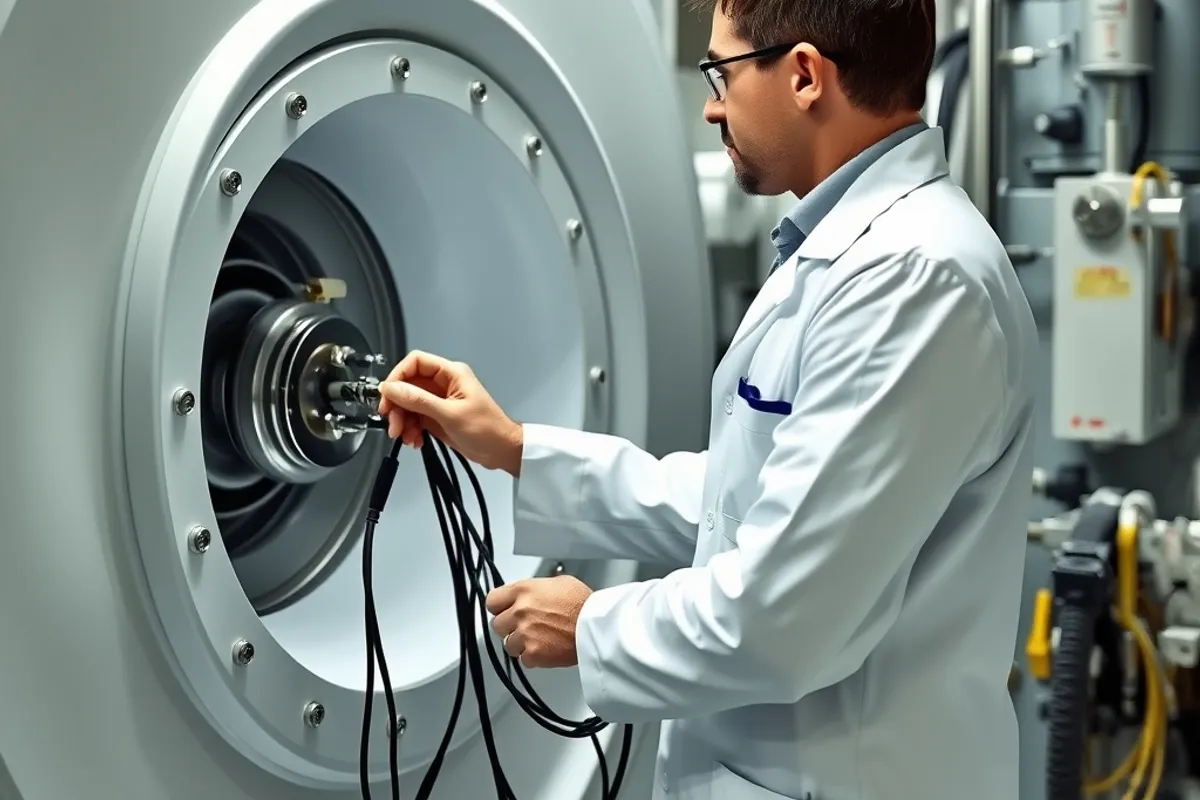
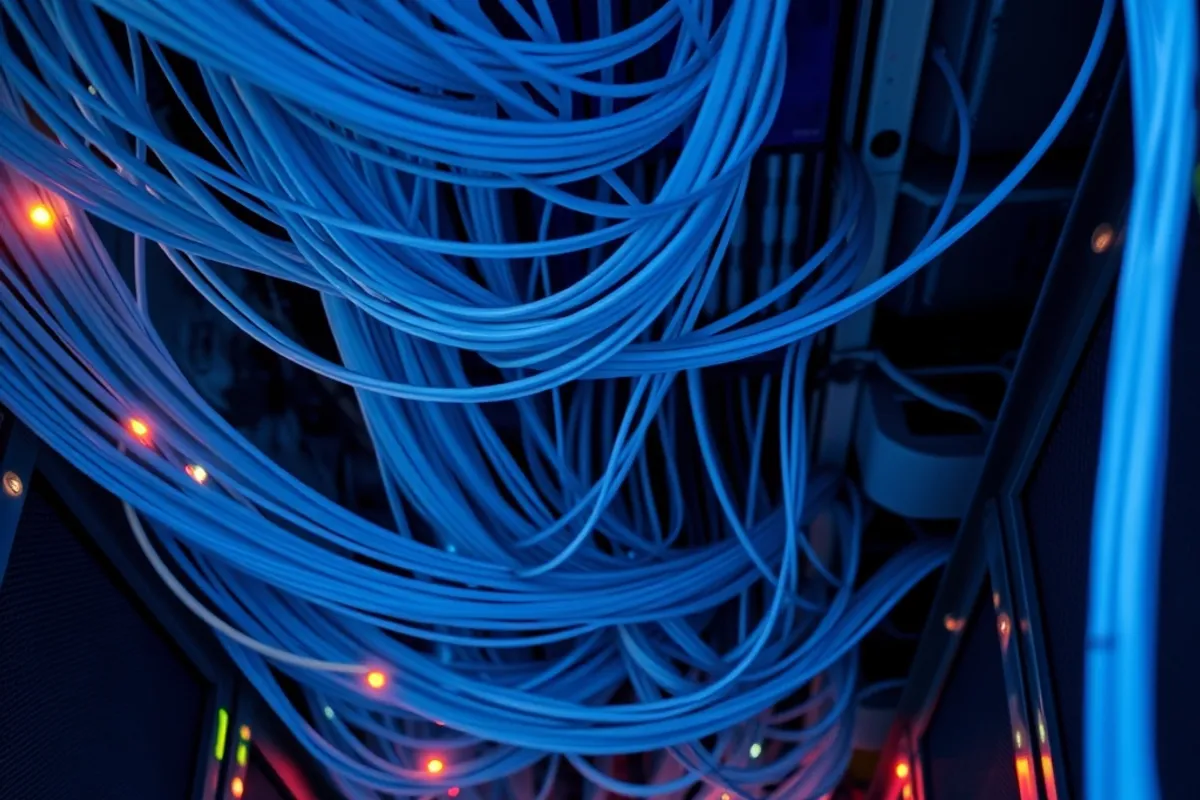
The wires leaving the fridge are the quiet bottleneck. Each qubit needs control and readout lines, and those lines carry heat straight back into the cold space. Engineers bundle them through attenuators and filters to keep the chip stable, and the count of usable qubits often depends as much on wiring as on the chip itself.
Scaling means shrinking that wiring. Several 2026 systems move control electronics into the fridge to cut the number of cables, which promises more qubits per rack. The catch is that warm electronics do not enjoy the cold, so the parts must be redesigned rather than relocated.
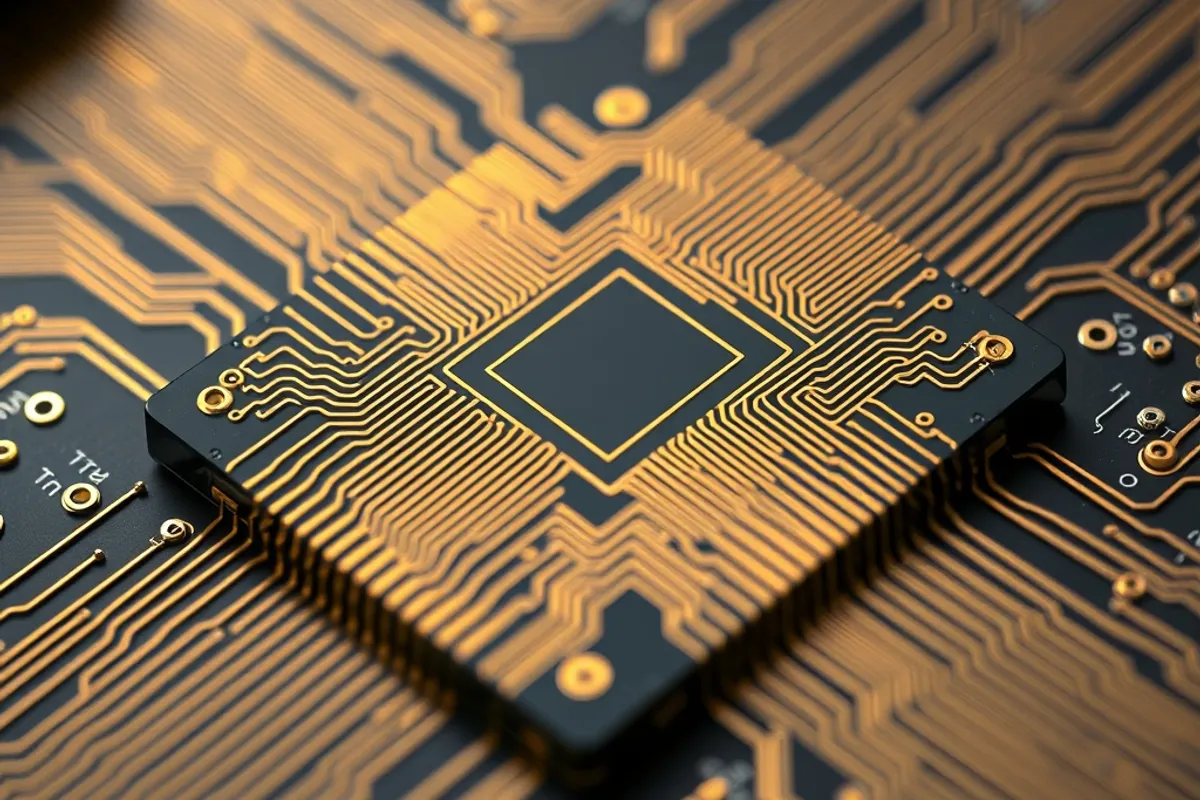
A quantum computer is not a faster server, it is a different kind of machine that only wins on problems shaped the right way.
Who rents a quantum machine
Most people will never own a quantum computer, and that is fine. Cloud providers expose the hardware through a queue and a software kit, and you pay for the time you use. Researchers run chemistry simulations overnight, and a few firms bid for short windows when a problem fits the machine.
Renting changes the economics. A failed experiment costs cloud minutes, not a capital budget, so teams can try ideas that would never justify a purchase. It also concentrates access among a few providers, which raises fair use questions that boards are only starting to ask. You can track how the sector is covered on our technology hub.
Error correction changes the floor plan
Qubits are fragile, and useful answers need error correction, which turns one logical qubit into many physical ones. That ratio drives everything from chip design to floor space. A machine that reports a thousand physical qubits may offer only a handful of reliable logical ones, and the gap is the honest measure of progress.
As correction improves, the demand for room grows. Racks multiply, wiring multiplies, and the fridge grows with them. Planners who assumed a single cabinet now reserve a row. The National Institute of Standards and Technology keeps a plain language overview of quantum information science that is a good starting point.
Power, water and grid limits
Quantum hardware is not the biggest power draw in a data center, but it is an unusual one. The fridge, the control stack and the classical computers that prepare and check results all run at once. A single experiment can pull a steady load for hours while producing a result you might run once.
Water use is the hidden cost. Cooling towers that serve the wider facility also carry away the heat from quantum rooms, and in dry regions that competes with other users. Operators are testing closed loop systems and higher temperature designs to reduce the demand.

What to watch next
The next two years will be judged on boring metrics. Count logical qubits that pass a repeatable test, measure how long a machine stays stable, and watch the price per usable minute. Those numbers decide whether quantum becomes a tool or stays a research line item.
| Metric | Why it matters |
|---|---|
| Logical qubits | Carry the real work |
| Uptime | Decides rentable hours |
| Price per minute | Sets realistic access |
Follow the sector through our homepage if you want the plain version.