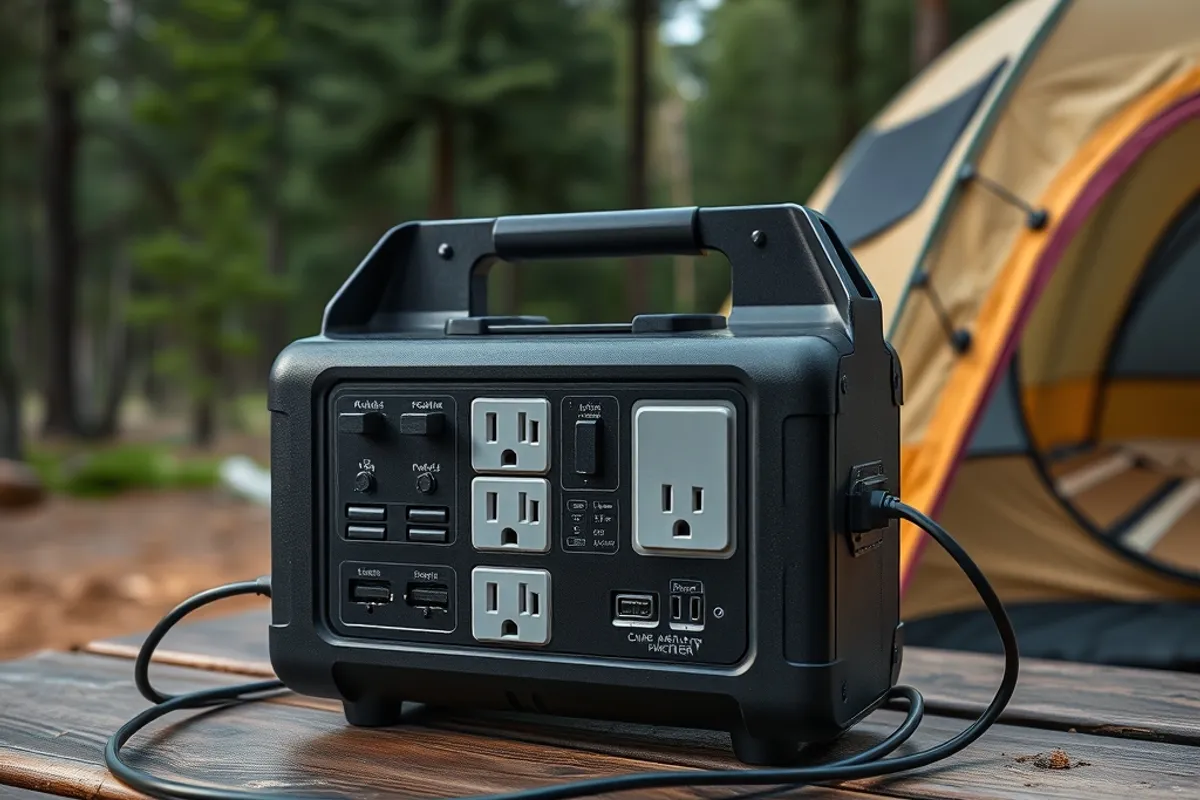
How we judged portable power stations
We tested six units for camping and road trips in 2026, running each one under the same steady 200 watt load until it shut down. We recorded how long the battery lasted and how far the number fell short of the label. We also timed a full recharge from a wall socket and from a 200 watt solar panel.
Every model here uses lithium-iron-phosphate cells, which handle heat better and last more cycles than older lithium-ion packs. We looked at port count, app control, and weight, since you have to lift these into a car. Check the Energy Star site for advice on efficient appliances that stretch your runtime.
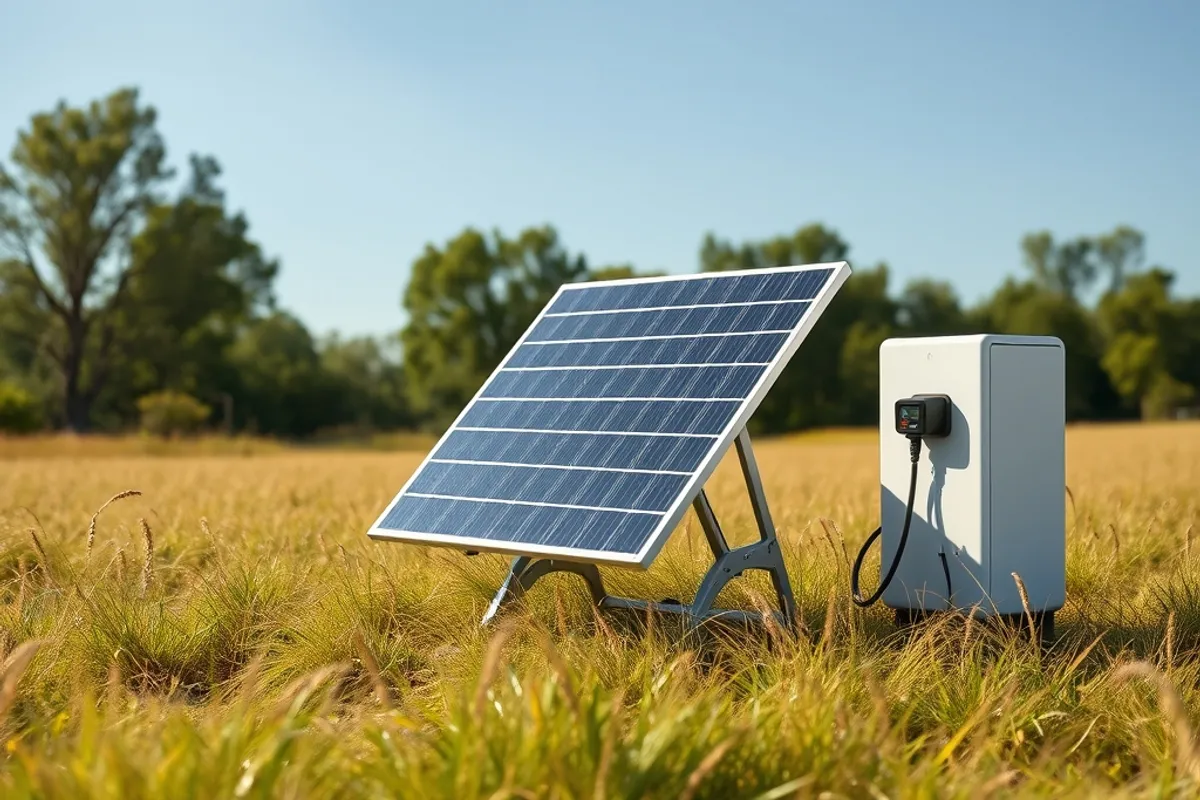
Voltcore EX300: the best small station
The Voltcore EX300 is our pick for weekend camping because it weighs just 8.8 pounds and still delivers 296 watt hours in our test. It runs a small fridge for about ten hours or charges a phone more than twenty times. The carry handle makes it easy to move between the tent and the car.
Output tops out at 300 watts continuous, so it will not run a kettle or a hair dryer. It includes two AC outlets, two USB-C ports, and a 12 volt car socket. A full wall charge takes about 90 minutes, which is quick for this class. At $229, it is a strong value.
Campvolt Mini: the lightest option
The Campvolt Mini weighs only 6.2 pounds, making it the easiest unit here to carry on a hike into camp. It holds 280 watt hours and pushed 268 of them in our discharge test, which is close to the claim. It runs lights, laptops, and drones without trouble.
The 300 watt inverter limits you to small devices, and the single AC outlet means you cannot run two appliances at once. Recharge from a wall socket takes two hours. The app is simple and shows live input and output. For backpacking or a small van, this $199 unit is hard to beat.
Buy the smallest power station that covers your longest trip, because you pay twice for every watt hour you never use.
Trailguard 500: best for a family
The Trailguard 500 hits a useful middle point with 512 watt hours and a 600 watt inverter. It ran our test load for two hours and thirty minutes, and it can power a portable fridge for a full night. Two adults on a long weekend will find the capacity comfortable.
It carries four AC outlets, three USB ports, and a wireless charging pad on top. Weight lands at 15.4 pounds, so it stays in one spot rather than moving around. A 400 watt solar panel refills it in about four hours. At $399, it suits a family camp setup well.
Nomadpack 1000 vs Solstice Go: big capacity
If you need serious power, these two are the heavyweights. Both pass 1000 watt hours and run larger appliances, but they differ in weight, price, and how fast they recharge. The table below shows the main numbers from our tests.
| Spec | Nomadpack 1000 | Solstice Go |
|---|---|---|
| Capacity | 1024 Wh | 1180 Wh |
| Inverter | 1200 W | 1500 W |
| Weight | 26 lbs | 31 lbs |
| Price | $699 | $849 |
Choose the Nomadpack 1000 if you want a lighter unit that still runs a laptop and a fridge together. Choose the Solstice Go if you need the larger inverter for a microwave or a small heater. Both recharge from solar in under six hours on a clear day.
Evercell Pro: the best value pick
The Evercell Pro sits between the small and large units with 640 watt hours for $329. It pushed 612 watt hours in our test, one of the closest results to the label. It runs a fan, a light, and a laptop at the same time without strain.
The 700 watt inverter handles most camping gear but not a full-size kettle. It has three AC outlets and a bright display that shows remaining time. The unit charges from the wall in about two hours. If you want one station for many jobs, start here.
Solar panels, safety, and what to skip
Skip units with no battery management system, because heat and overcharge are real risks. Skip any model that cannot charge from solar if you camp off-grid. And skip a bigger battery than you need, since capacity adds weight and cost fast. Match watt hours to your longest trip.
Pair your station with a panel rated at least one fifth of the battery size for a same-day recharge. Store the unit half charged if you will not use it for months. Read our technology guides and headphones guide for more gear picks.